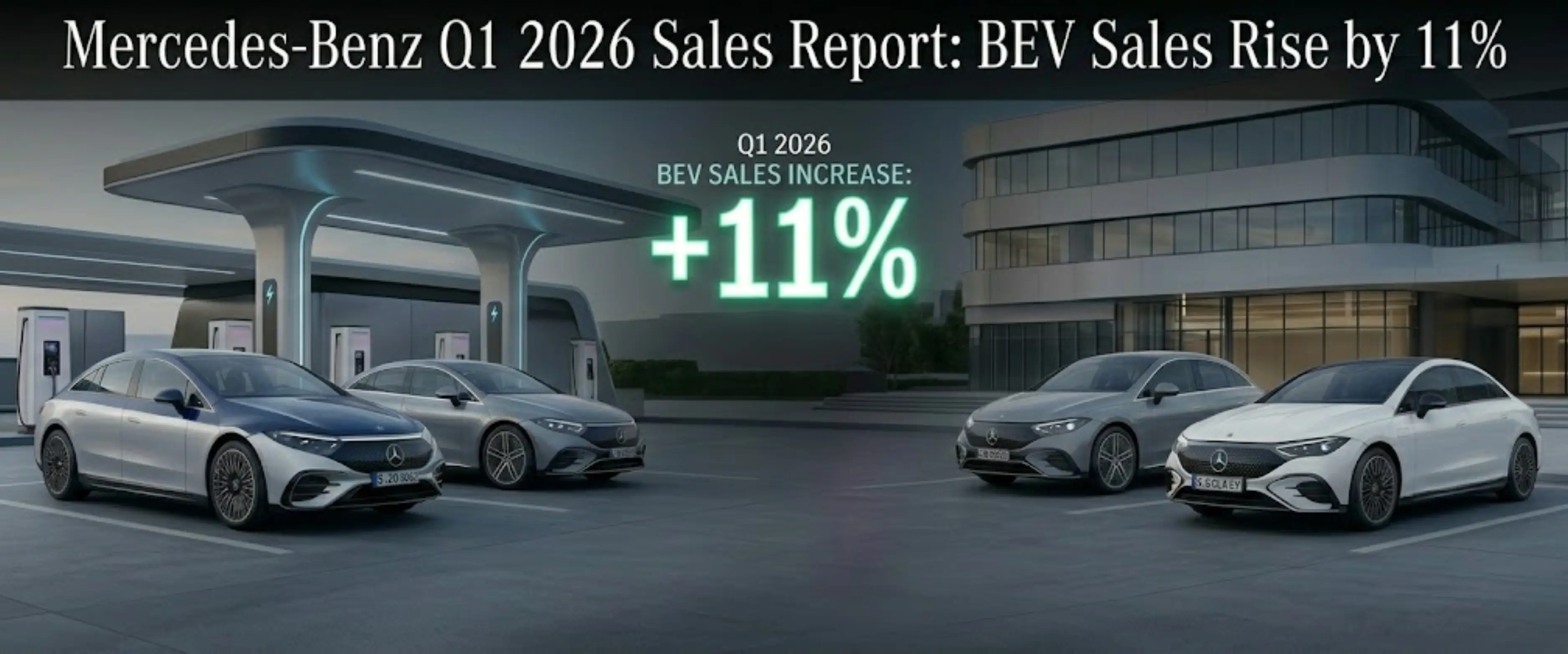
The global automotive industry is undergoing a rapid transformation toward electrification, and Mercedes-Benz Group has started 2026 on a promising note. In its Q1 2026 performance, the luxury carmaker recorded an 11% year-on-year growth in battery-electric vehicle (BEV) deliveries, signaling a strong recovery after a challenging 2025.
This growth reflects not just improved product strategy but also rising global acceptance of premium electric vehicles, particularly in developed markets.
A Strong Comeback After 2025 Slowdown
Mercedes-Benz’s EV journey in 2025 saw a slight setback, with a 4% decline in annual BEV sales. However, Q1 2026 results suggest that the company has effectively recalibrated its approach—focusing on new-generation EV platforms, refreshed models, and targeted regional strategies.
The early success in 2026 indicates that Mercedes-Benz is regaining traction in the competitive EV space.
Key Q1 2026 BEV Sales Highlights
Mercedes-Benz delivered a total of 50,400 battery-electric vehicles globally in Q1 2026, including both passenger vehicles and commercial vans.
Detailed Breakdown:
Total BEV Deliveries: 50,400 units
Passenger Cars Division: 44,300 units (up 9% YoY)
Vans Division: 6,100 units (up 29% YoY)
EV Share in Total Sales: ~10%
While passenger EVs continue to dominate volumes, the 29% surge in electric vans highlights a growing shift toward electrified logistics and last-mile delivery solutions—an area gaining momentum globally.
Key Growth Drivers Behind the Surge
1. Strong Demand for the Electric CLA
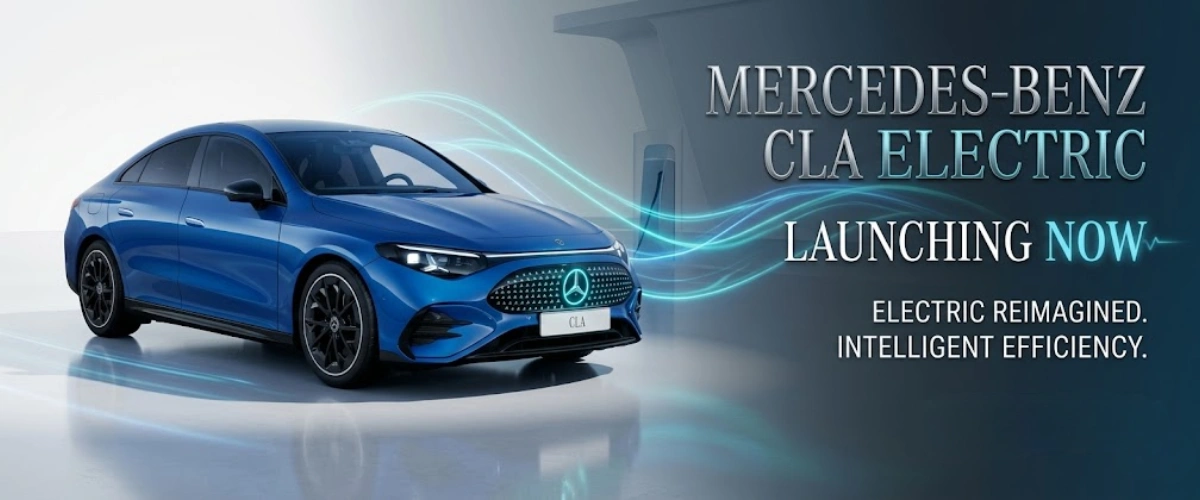
A major factor behind this growth is the success of the newly launched Mercedes-Benz CLA Electric. Built on a new-generation EV architecture, the CLA Electric offers:
Enhanced driving range
Advanced infotainment and connectivity
Improved efficiency and performance
The model has gained strong traction, particularly among urban premium buyers looking for a stylish yet sustainable alternative.
2. Europe Leading the EV Push
Europe played a crucial role in Mercedes-Benz’s Q1 success, driven by favorable regulations and EV adoption trends.
Overall European Growth: +34%
Germany Growth: +36%
Countries like Germany continue to lead due to robust EV infrastructure, government incentives, and high consumer awareness. The region remains Mercedes-Benz’s strongest market for electric vehicles.
3. Production Ramp-Up to Meet Demand
To support increasing demand, Mercedes-Benz has significantly scaled up its manufacturing operations:
Rastatt Plant – Focused on the electric CLA
Bremen Plant – Preparing for next-gen EVs like the electric GLC
Both facilities are reportedly running on three-shift production schedules, indicating strong order volumes and supply commitments.
Rising Contribution of EVs in Overall Sales
Electric vehicles now account for around 10% of Mercedes-Benz’s global sales volume, marking steady progress toward its long-term electrification goals.
The company is strategically balancing its internal combustion engine (ICE), hybrid, and fully electric portfolio, ensuring a smooth transition while maintaining profitability.
In comparison with competitors like Tesla, Mercedes-Benz is focusing on premium EV positioning, emphasizing luxury, performance, and advanced technology rather than mass-market volume.
Expansion Plans & Upcoming Models
Looking ahead, Mercedes-Benz aims to sustain this growth momentum through an aggressive EV pipeline.
Key Upcoming Highlight:
All-electric C-Class (Global Premiere Expected Soon)
This model is expected to:
Strengthen Mercedes’ presence in the luxury mid-size sedan EV segment
Attract a broader customer base transitioning from ICE vehicles
Compete directly with established electric sedans in global markets
Additionally, models like the electric GLC are expected to further boost SUV segment sales—one of the most in-demand categories worldwide.
Market Challenges to Watch
Despite a strong Q1, Mercedes-Benz must navigate several ongoing challenges:
Intensifying competition from global EV players
High production and battery costs
Uneven EV adoption across regions like Asia and emerging markets
Charging infrastructure limitations outside Europe
However, the company’s strong brand value and continued investment in EV technology give it a competitive edge in the premium segment.
Conclusion
The 11% growth in BEV sales during Q1 2026 marks a significant turnaround for Mercedes-Benz and reinforces its commitment to an electric future. Backed by successful models like the CLA Electric, strong European demand, and increased production capacity, the company is clearly gaining momentum in the EV race.
As Mercedes-Benz continues to expand its electric portfolio with upcoming launches like the all-electric C-Class, it is well-positioned to strengthen its foothold in the global luxury EV market throughout 2026 and beyond.

Rohit Sharma
AuthorLast updated 1 hour ago